Young voters headed to the polls Tuesday with a variety of priorities and political frustrations. Across Pennsylvania’s college campuses, students weighed in on foreign policy, abortion and the future of Congress while some struggled to make their voices heard.
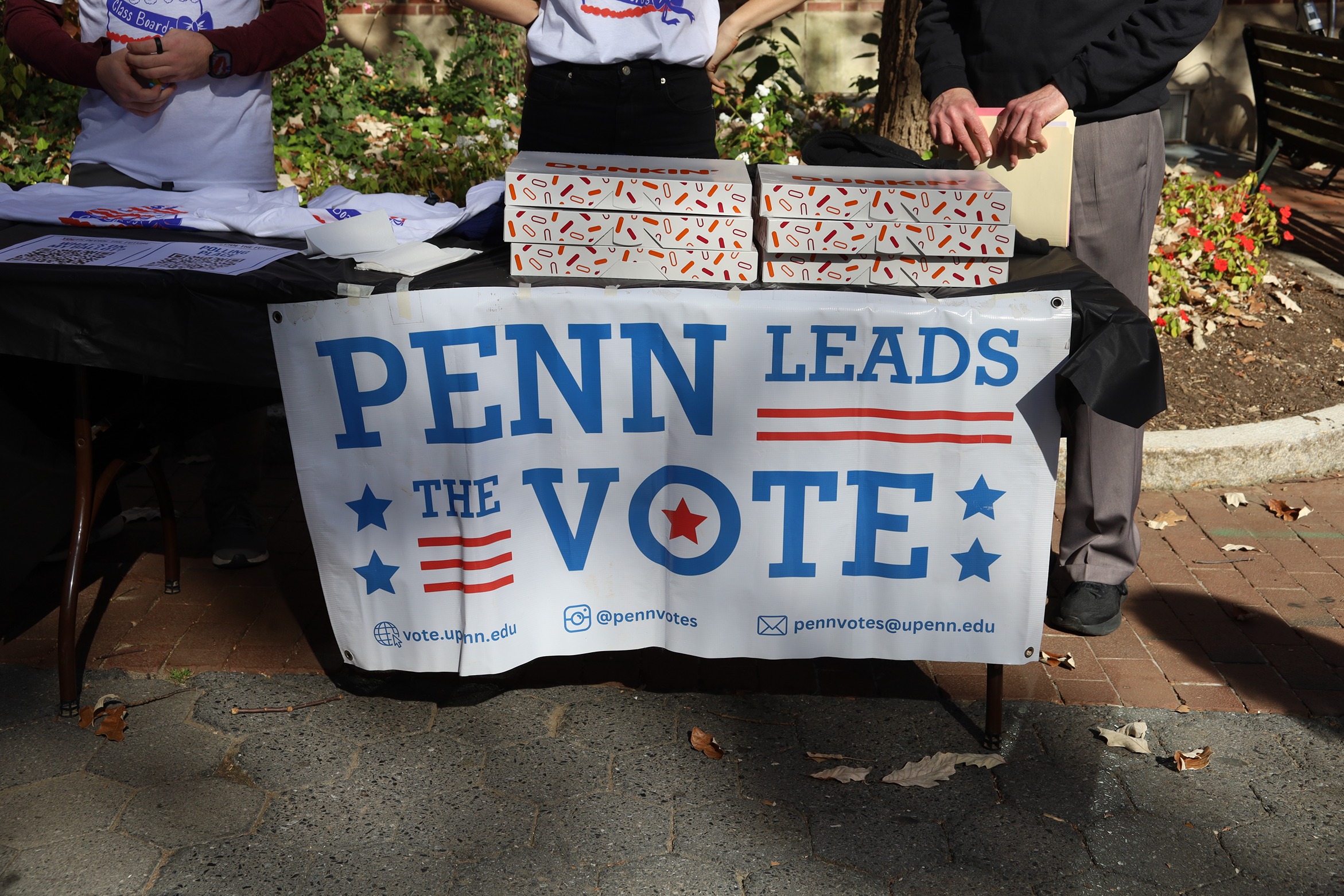
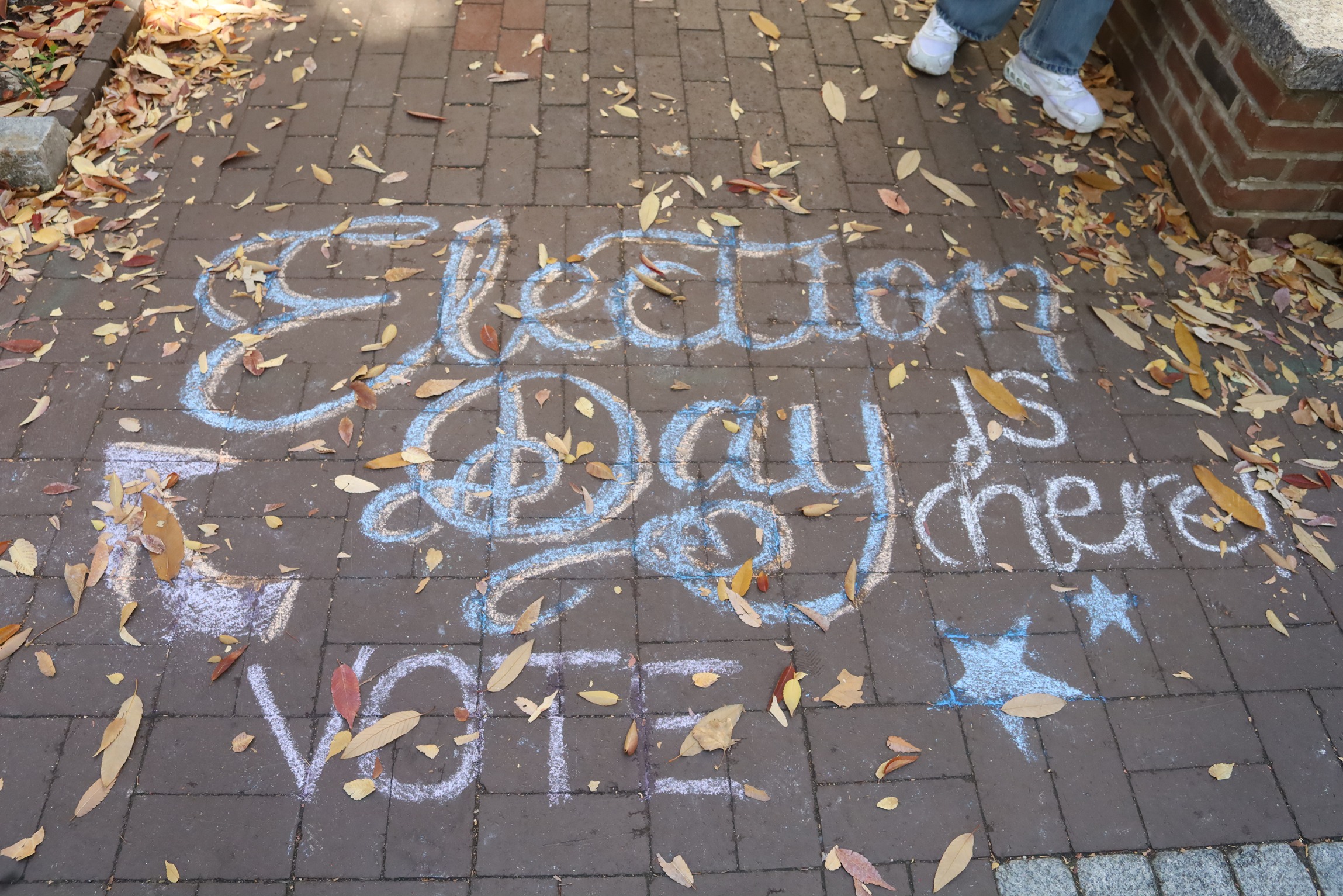
At the University of Pennsylvania, student groups including Penn Leads the Vote and Penn Dems set up tables outside the two polling places on campus. Signs endorsing Josh Shapiro and Chris Rabb lined the campus, and on the ground messages in chalk encouraged students to vote.
Winny Zhang, a freshman at Penn, voted for her first time this year in between classes. She said voting makes her feel proud of herself and her community at large.
“Since I was a kid, I always wanted to be involved in what our country is doing and how my community is running … I came to vote to make a difference,” she said.
As she left the election booth, Zhang’s main concern was stopping foreign wars. “I don’t like seeing people die for meaningless wars,” she said.
In Central Pennsylvania, young voters at Penn State were also thinking about foreign policy as they cast their ballots. Madeleine MacKenzie, vice president of the on-campus GOP, said that she trusts President Donald Trump’s actions and that she supports “Trump ensuring that Iran does not get a nuclear weapon.”
For MacKenzie, her biggest concern was maintaining a Republican majority in Congress. She said abortion and immigration were two of her main issues for wanting a Republican-controlled Congress.
“Trump has really sealed up the border and I think that what ICE is doing is great,” she said. She hoped that a Republican majority in Congress would have allowed Trump to “keep pushing through [his] policies” such as keeping Roe v. Wade overturned.
“I think that Democrats, if they were to get a majority, would try to reinstate that,” she said.
But her wishes didn’t come to fruition as Democrats swept back into power with control of both chambers of Congress.
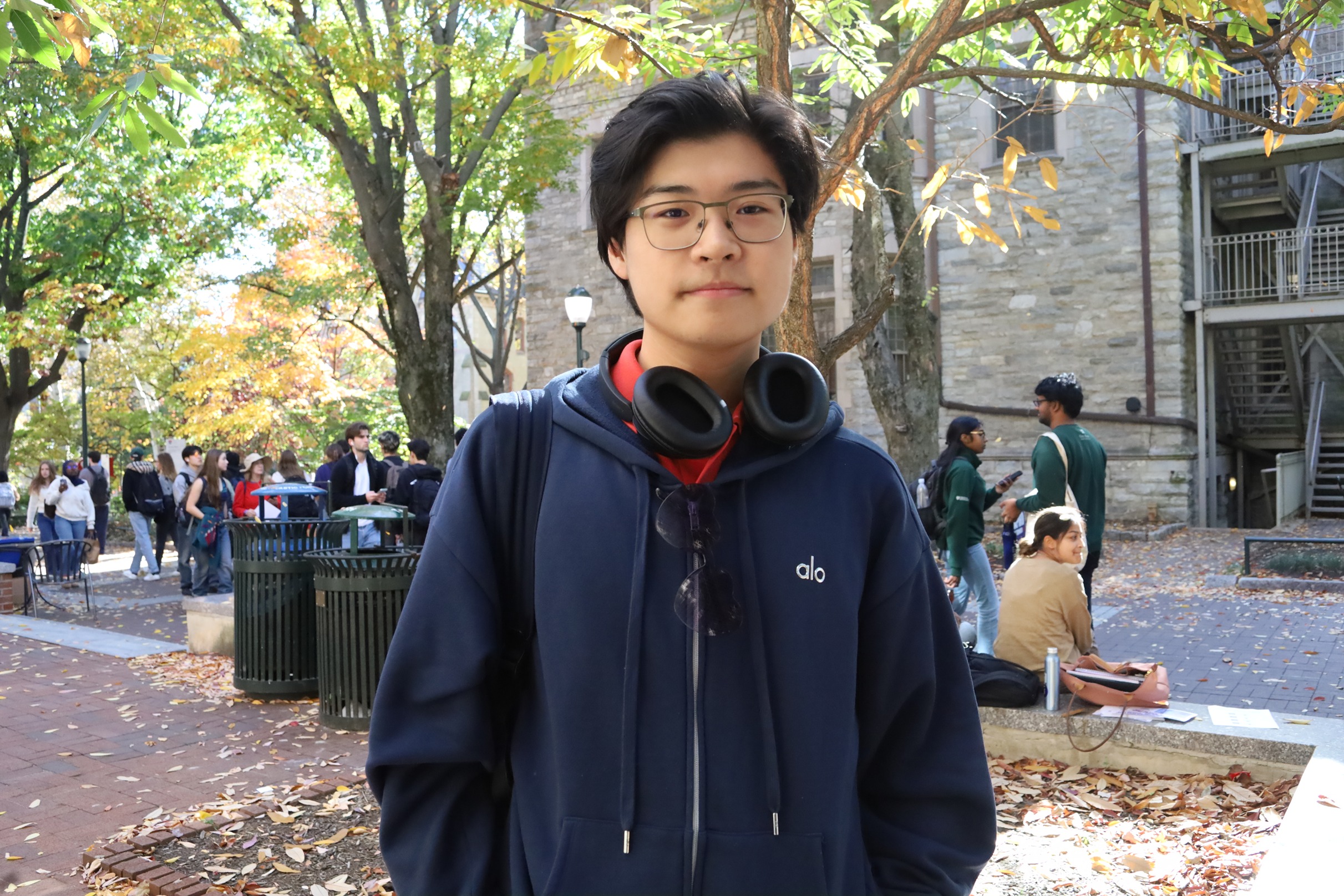
Long Jiang, also a first-time voter and freshman at the University of Pennsylvania, said he wants to challenge the idea that young people do not vote as much. “When young people do vote, we are the deciding factor in many elections,” he said.
Across the nation, voter turnout tends to drop for midterm elections compared to presidential elections. Data from Census Bureau estimates shows that young voters, in particular, vote at far lower rates in midterms, with a 51% drop compared to presidential elections.
For Jiang, voting in the midterms matters because of the impact on local communities and policy. “We’re not only voting for the big name roles but also ballot questions that [impact] small businesses and arts funding,” he said.
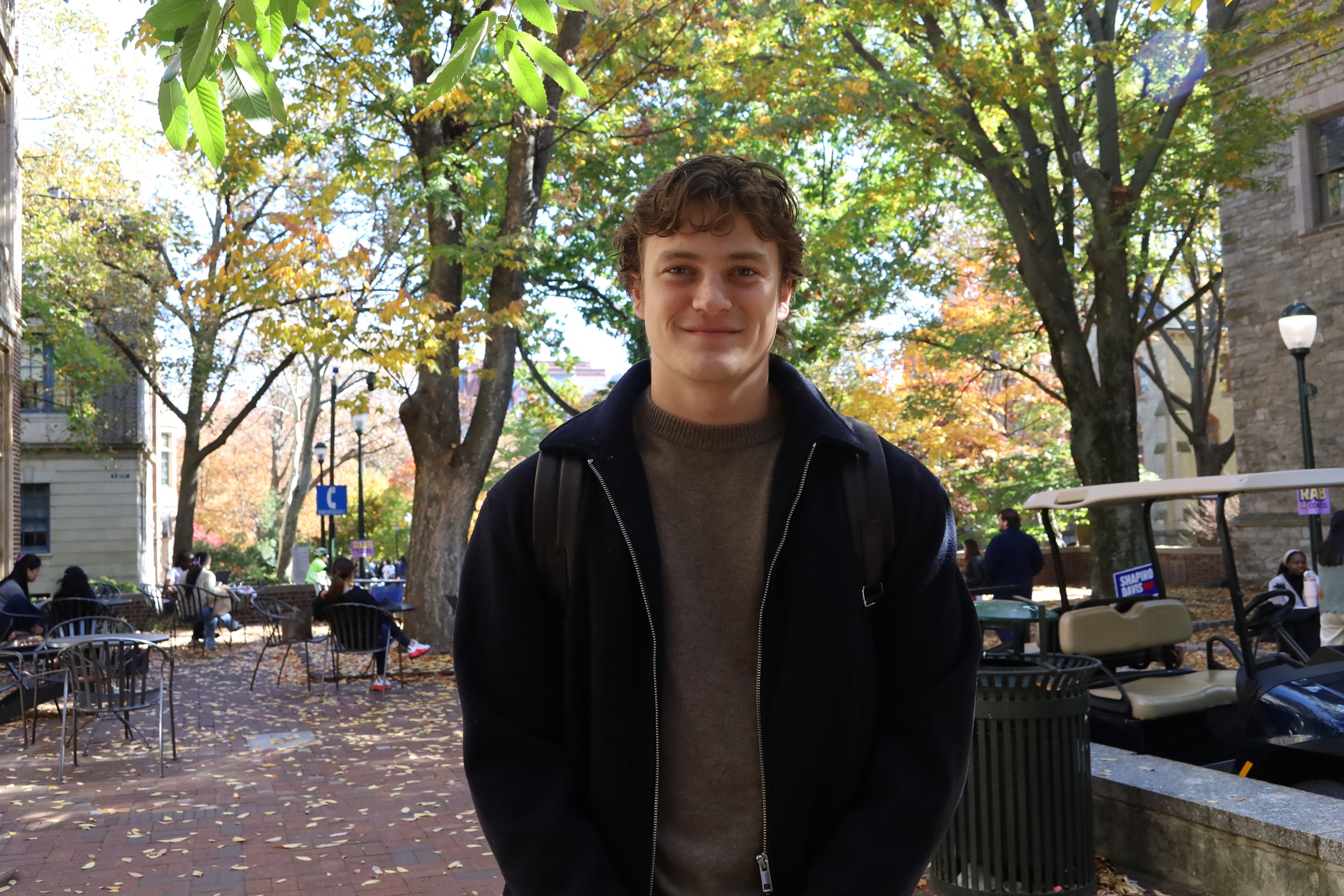
According to Gallup data, 56% of Generation Z voters identify as political independents, a steady increase from previous generations. Alex Georgiev, a junior at Penn, voted for the Democratic ticket Tuesday, but said he believes in some Republican policies and some Democratic policies. He described his vote as “almost an opposition vote” against Trump.
“I really dislike Trump,” he said. “It’s not like I had high hopes but it’s always been kind of let down after let down, and I just don’t like the way that his team is managing everything.”
In terms of policies from each party, Georgiev said that abortion access is important to him and that he is strongly pro-choice. He also said he believes that capitalism as an economic structure is “fundamental to the U.S.” He said his parents are immigrants who “attribute America and its opportunities to their success.”